
A common conspiracy lately is that the package inserts for vaccines list side effects. While they do have some adverse events listed, many of them are not related to vaccines.
The package insert is a legal and technical document that isn’t meant for consumers that often contains five main sections:
- Ingredients
- Dosage and administration instructions
- Clinical trial data
- Contraindications
- Reported adverse events during the study phase
People are mixing these up with postmarketing surveillance systems. These are designed to detect signals that MAY have been missed during safety trials. Let’s use a hypothetical example.
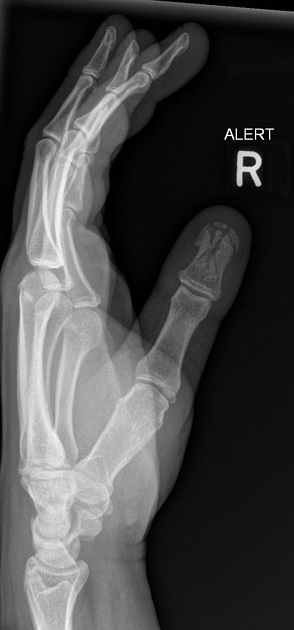
Assume that a comminuted fracture of the distal first phalanx of the thumb starts showing up in VAERS repeatedly (the x-ray above). Antivaxxer logic would have you believe that the vaccine breaks down the structure of this bone for some unknown reason that has to do with the vaccine.
In this hypothetical example, it could simply be that the VP of a national occupational health service provider has a hunch that he saw a signal in their internal data, was an antivaxxer, and told all of the providers in the organization to report any of these incidents to VAERS.
At some threshold of these reports, the FDA would do an investigation into why there is a postmarketing signal. They would learn of the actions of the VP and find that the providers were doing as told after they were seeing people with these fractures who worked on construction sites. A further investigation found that these injuries were due to the use of hammers, which is the injury shown in the x-ray.
After filtering out fractures caused by hammers among construction workers, the signal disappears among the general public.
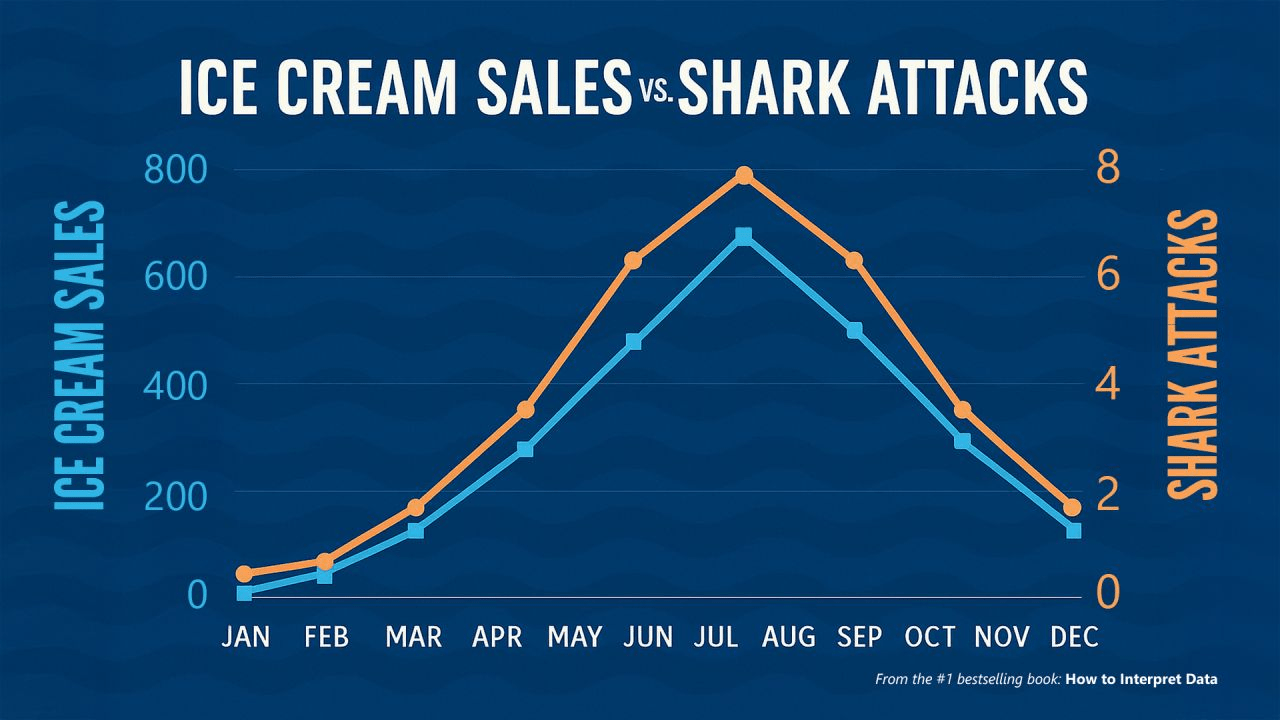
The postmarketing surveillance is meant to pick up odd signals and doesn’t at all imply causality. Those lists that people are claiming are adverse events are nothing more than an example of the illusory correlation fallacy. Here’s a prime example.
The people who make these claims don’t even use the real package inserts, which can be easily found online for comparison. Johns Hopkins has a legitimate page of links to them.
Vaccines are safe and effective with very rare adverse events, most of which are minor.

